This is a benefit to our (UK) sockets, as laid out in BS 1363 and used in some other countries.
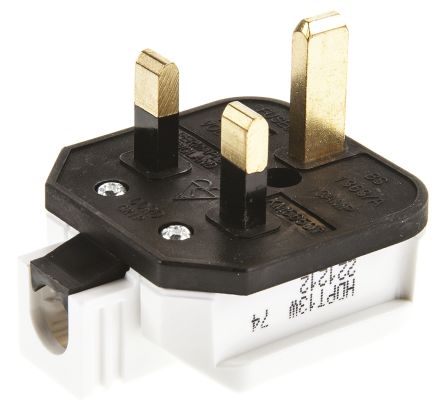
The cable exits the bottom, not the front, so it doesn't matter how thick or heavy it is, and pulling it out of the socket by the cable is very difficult.
Further, our earth pin is at the top by default, and our line and neutral pins are insulated to the extent that if the plug is far enough out of the socket to expose the uninsulated portion of the pins, it is no longer far enough into the socket to be receiving any voltage.
It's more that because the cable exits the bottom of British plugs and it's bottom-heavy, if you drop a power cable on the floor, it will invariably land pin-side up.
US sockets aren't switched, so the only way to remove power from a device is to unplug it. Most things have power switches but not everything, and some people are very keen on unplugging.
Ahhhhh that might actually explain a lot - people's behaviour is affected by the design in that they end up unplugging more frequently due to the lack of a switch in the socket, so more cables laying around unplugged, versus the UK where plugs tend to be left in the socket but can be physically disconnected using the switch.
The earth pin is also longer than line and neutral pins so it should be the last one out in most circumstances (as well as opening the shutters only after engaged)
Yep, and the line terminal is closest to the opening, so if the cable is forcibly ripped out from the plug, line gets disconnected first, and earth usually last. Along with many other benefits (like an inline fuse) that I didn't mention in my post as it wasn't relevant to the posts I was replying to. :)
Humans are lazy. Overall, it was less effort to be forced to sometimes have to deal with upside down outlets, rather than convince everyone that there is a specific and universal orientation.


1. Why isn't your plug all the way in the socket? 2. Why haven't you replaced that outlet that doesn't hold a plug properly?