This is what I don't completely understand. Why has no one developed a disinfectant spray that hospitals can apply ad-nauseum (pun intended, the smell ideally wouldn't make people nauseous) all over the hospital? Or, do I not understand the vectors properly?
The way I perceive these stories is that hospitals are actually extremely dirty on a microbial level (as is most of the world), it's just counter-intuitive because I think a lot of people take for granted that a hospital is imagined to be a super sterile place. MRSAs could potentially reside on every surface; an act as simple as touching a bed railing could get you infected. You then have patients in recovery with healing wounds/depressed immune systems, which need antibiotic treatment of some kind when they have an infection. But it's not like you cannot become infected by a MRSA outside of a hospital, you can, and the same antibiotics won't work effectively for you just as they don't work effectively in the hospital. So the first step in my mind is making sure the hospital is 'clean'.
We do. We have disinfectant sprays, chlorhexidine, bleach, UV radiation shot by Cylon looking robots, and surfaces made of copper and patterned after shark skin.
Bacteria are just bloody durable, and people are shedding new bacteria into the environment at really absurd rates.
>We have disinfectant sprays, chlorhexidine, bleach, UV radiation shot by Cylon looking robots, and surfaces made of copper and patterned after shark skin.
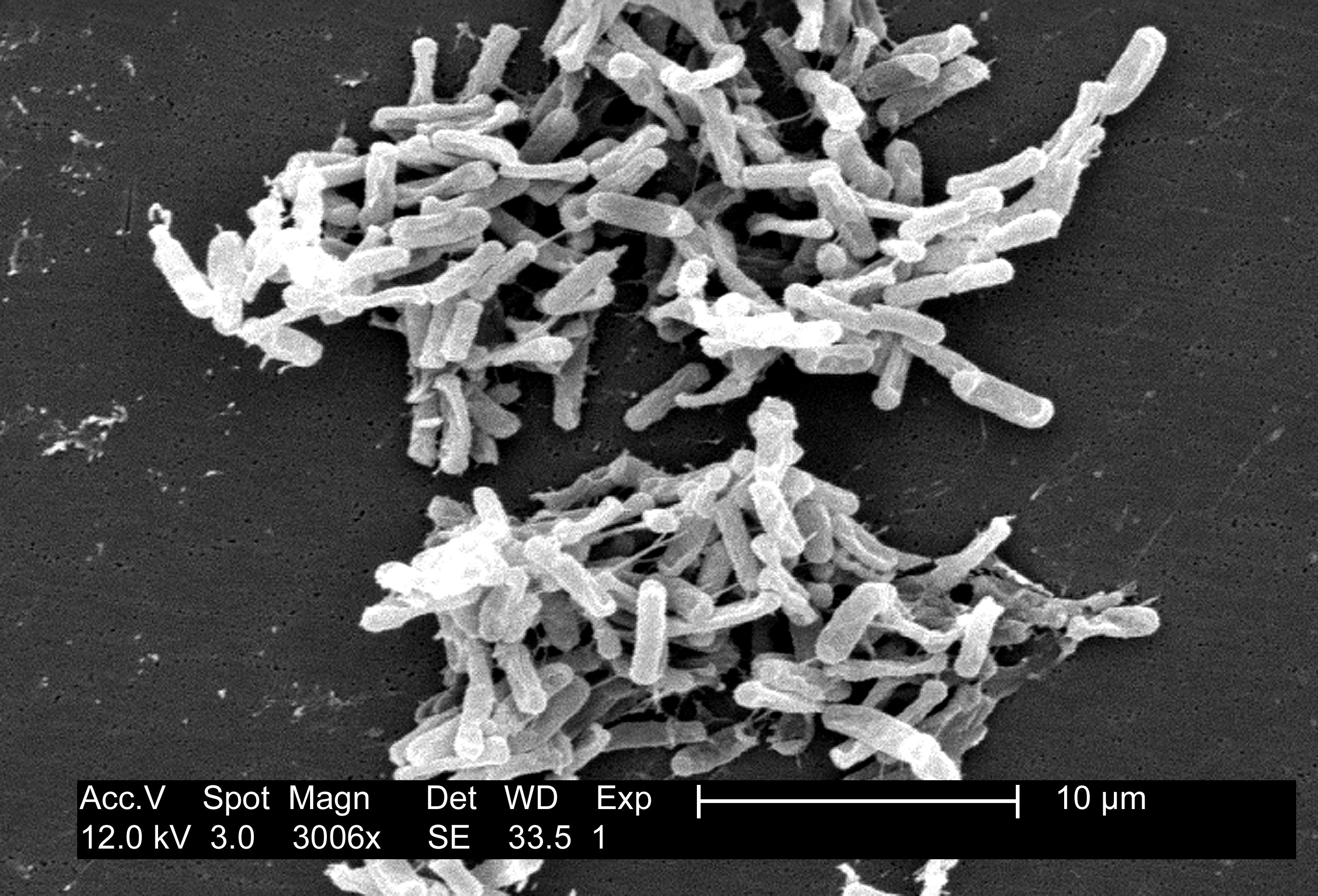
And the bacteria which survives all of this, i think it should look something like this:
> Why has no one developed a disinfectant spray that hospitals can apply ad-nauseum (pun intended, the smell ideally wouldn't make people nauseous) all over the hospital?
That kind of solution is part of the problem. Resistent bacteria are normaly outcompeted by non-resistant ones, except when there is antibiotics on the enviroment. As a consequence, the mere act of keeping something always sterilized (as well as possible) helps the resitent bacteria growth.
But, of course, you can't avoid keeping a hospital sterilized.


The way I perceive these stories is that hospitals are actually extremely dirty on a microbial level (as is most of the world), it's just counter-intuitive because I think a lot of people take for granted that a hospital is imagined to be a super sterile place. MRSAs could potentially reside on every surface; an act as simple as touching a bed railing could get you infected. You then have patients in recovery with healing wounds/depressed immune systems, which need antibiotic treatment of some kind when they have an infection. But it's not like you cannot become infected by a MRSA outside of a hospital, you can, and the same antibiotics won't work effectively for you just as they don't work effectively in the hospital. So the first step in my mind is making sure the hospital is 'clean'.