Indeed, this might at least be better titled "The Day They Almost Decided To Put BeOS On The Mac Instead Of OS X"
But that's a genuinely fascinating alternate-history concept -- Windows NT was never likely, but from the story, it seems as if Be almost made it, foiled only by its founder's hubris. What if Jean-Louis Gassée had settled for one of Apple's numerous offers? It seems he had it in the bag for months, holding out for more until he got too greedy and Apple turned to Jobs.
If Gassée hadn't been blinded by the dollar signs, what would have become of BeOS in Apple's hands? Would an alternate-universe, Be-based OSX have still saved the company? Would Jobs have gone down with his NeXT ship, and simply laid low for the 2000s? We'd have no iPod, no iPhone; Apple in 2010 would be either a Sun or an SGI.
Or maybe it couldn't have happened any other way. Maybe Jobs knew Gassée would push his luck too far and timed NeXT's overtures to Apple. Maybe he had done all the research, knew all the angles, and had planned this from the start. Maybe, just maybe, there was no force of nature that could stop Jobs' return to Apple.
I remember this time period fairly distinctly as I almost purchased a BeBox. I decide to wait since it was probably all just going to end up in some future Apple product anyways, so the BeBoxes were already obsolete.
There was quite a bit of press concerning Gassée's and Apple's desire to tie the knot, but history turned out all different in the end. And I remember thinking that it was a huge failure for the world all caused by Gassée's desire for more money.
>We'd have no iPod, no iPhone; Apple in 2010 would be either a Sun or an SGI.
And why in your hypothetical alternate universe where Apple went with Be instead of NeXT is this a given? You don't know that there'd be no iPod or iPhone, and you don't know that Apple would end up like SGI or Sun. Why do you assume that Jobs and NeXT are so important?
Surely history turns on small hinges, but that doesn't necessarily mean the decision to go with Be would have doomed Apple to failure. Things would probably be much different today with the actual products, but there's no reason to believe that Apple wouldn't have released an MP3 player or a phone, or that it wouldn't be stylish.
Jobs, and the team he hired, including Jon Ive, were the driving force behind the iMac, iPod, and iPhone designs.
If Apple felt no need to hire Jobs because they had Be, why would it be reasonable to presume they would still create the same game-changing products that were primarily created by the team Jobs hired, who were not employed at Apple prior to his arrival?
Even Tim Cook, Apple's widely respected COO, was hired by Steve in 1998.
Right, right, but what's to say that the BeOS people wouldn't have done something comparable if they had been given the same resources?
I don't argue at all that what would have been the equivalents of the iPhone and iPod would be very different without Jobs and his people, but I don't think that there's any necessity to presume that these projects would have been failures if they had been executed by the BeOS people instead of the NeXT people.
what's to say that the BeOS people wouldn't have done something comparable
Statistics. Lots of people have the resources, but very few do anything comparable to Jobs at Apple (Maybe Flip?). There's certainly no reason to think Apple would have gotten into Mp3 players and mobile phones.
My take on it is that at the time Apple didn't have a visionary and whatever you think of Steve Jobs (like or loath) he is a visionary and when he turns his attention to something he demands perfection. The iPod was game-changing and the iPhone I believe has been more so (as nobody was doing what the iPhone has, but they're all copying it now). Large companies with corporate layers usually end up dumbing down products and it takes a focused (and powerful) person or team to push these things through. How Apple will fair without Steve Jobs is anyones guess - it depends if he has managed to implant the desire for perfection as a culture there now... Time will tell
Apple at the time was heading fast for the way of Commodore. Tied to past greatness and completely unable to move their technology into the present.
The OS was being left behind, the systems had all the stylish elegance of a car battery, and all efforts were focused on turning Apple, a great place for artists and designers, into IBM. In short, Apple was failing fast.
Jobs came in, and after wrestling with quickly increasing, unsellable inventory of crap computers (the increasing inventory numbers headlines lots of news during this time period "35 days unsold inventory!" "60 days unsold inventory!"), gave us the original iMac which quite literally restarted Apple's heart.
NeXT was contractually obliged to not compete with Apple, which pretty much meant they had to stay out of the consumer and home markets, and focus on business and education. That's why their products were very expensive hardcore UNIX workstations (with the best GUI that had ever been put on a UNIX).
If Apple had chosen Be, then Jobs would have had to wait until the combined Apple+Be was well and dead before moving back into the personal computer market.
On the other hand, had NeXT stayed independent, they would have been able to continue their relationship with Sun and the merger of OPENSTEP and Java, and the combined product could have started weakening the Windows monopoly long before OS X became competitive due to the Intel transition. (It's not too hard to imagine the NeXT/Java development environment seriously catching on in enterprise environments circa 1999.)
> there's no reason to believe that Apple wouldn't have released an MP3 player or a phone, or that it wouldn't be stylish.
I agree completely, and I have no doubt there was plenty of good talent at Apple before the Jobs II era. But it's that certain, genuinely rare element that Jobs brought to the company that turned its experiments from good products into iconic successes.
To take this fun exercise down the rabbit hole: I'd even suggest that Jobs-less, Be-powered Apple would have had a Newton Phone on the market a good deal earlier than 2007, maybe not long after Palm's first Treo. Maybe a little iffy at first, it would have gone through a few revisions and could even occupy a spot on the market next to Palm today. I'm sure it would have been a nice product. I don't think it would have been an iPhone.
I did a case study on this in a design class. The design talent at apple didn't change much, but the quality of finished designs coming out did. This had more to do with slashing all the changes between what a designer wants and what the finished product is. When you don't let every middle manager have their say and force a change, then end result is better. And Jobs with his dominating personality was able to make this happen
By promoting Ive, didn't Jobs actually affect a fairly large change in design talent? According to wikipedia:
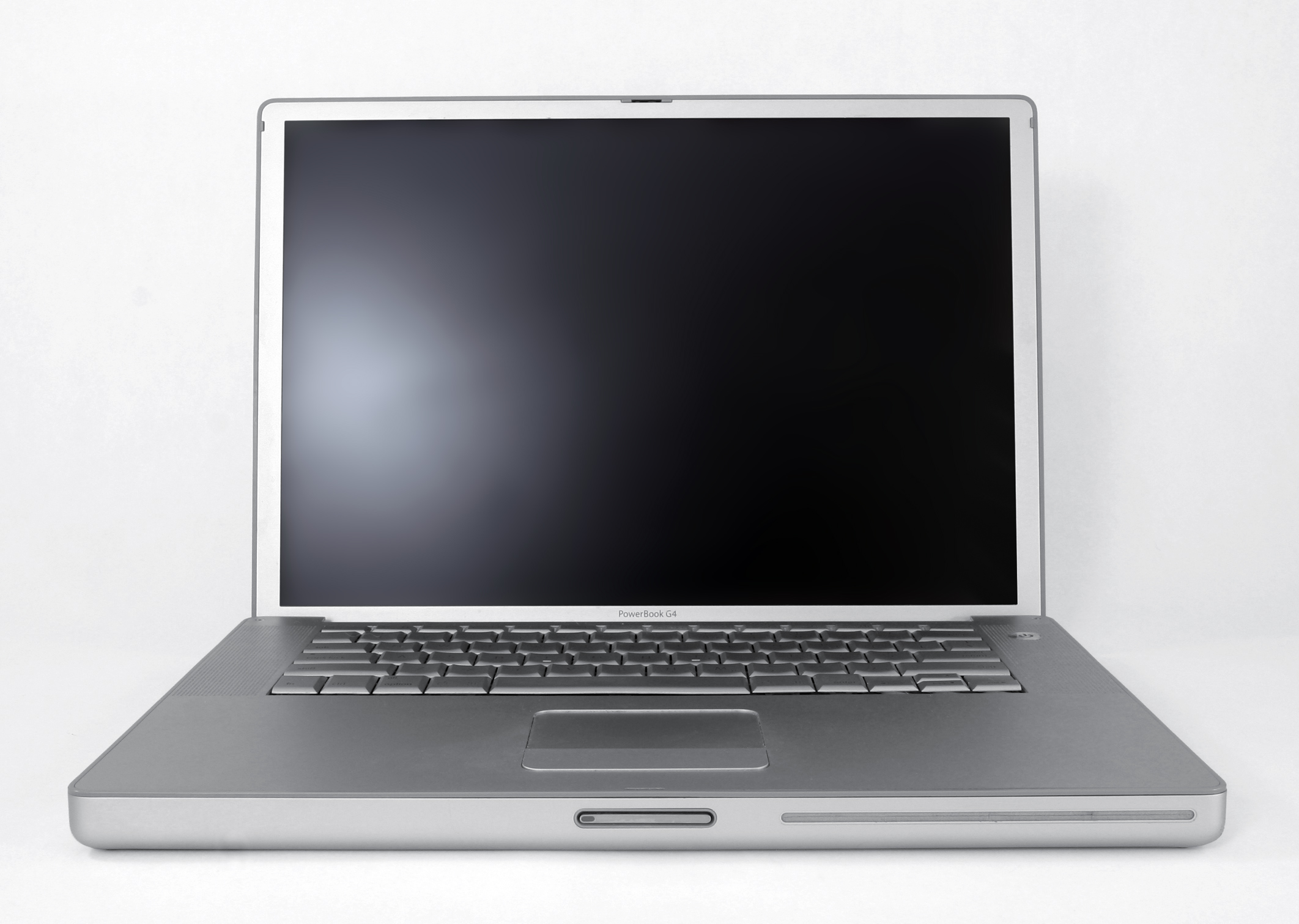
"He is internationally renowned as the principal designer of the iMac, aluminum and titanium PowerBook G4, MacBook, unibody MacBook Pro, iPod, iPhone, and iPad"




But that's a genuinely fascinating alternate-history concept -- Windows NT was never likely, but from the story, it seems as if Be almost made it, foiled only by its founder's hubris. What if Jean-Louis Gassée had settled for one of Apple's numerous offers? It seems he had it in the bag for months, holding out for more until he got too greedy and Apple turned to Jobs.
If Gassée hadn't been blinded by the dollar signs, what would have become of BeOS in Apple's hands? Would an alternate-universe, Be-based OSX have still saved the company? Would Jobs have gone down with his NeXT ship, and simply laid low for the 2000s? We'd have no iPod, no iPhone; Apple in 2010 would be either a Sun or an SGI.
Or maybe it couldn't have happened any other way. Maybe Jobs knew Gassée would push his luck too far and timed NeXT's overtures to Apple. Maybe he had done all the research, knew all the angles, and had planned this from the start. Maybe, just maybe, there was no force of nature that could stop Jobs' return to Apple.